

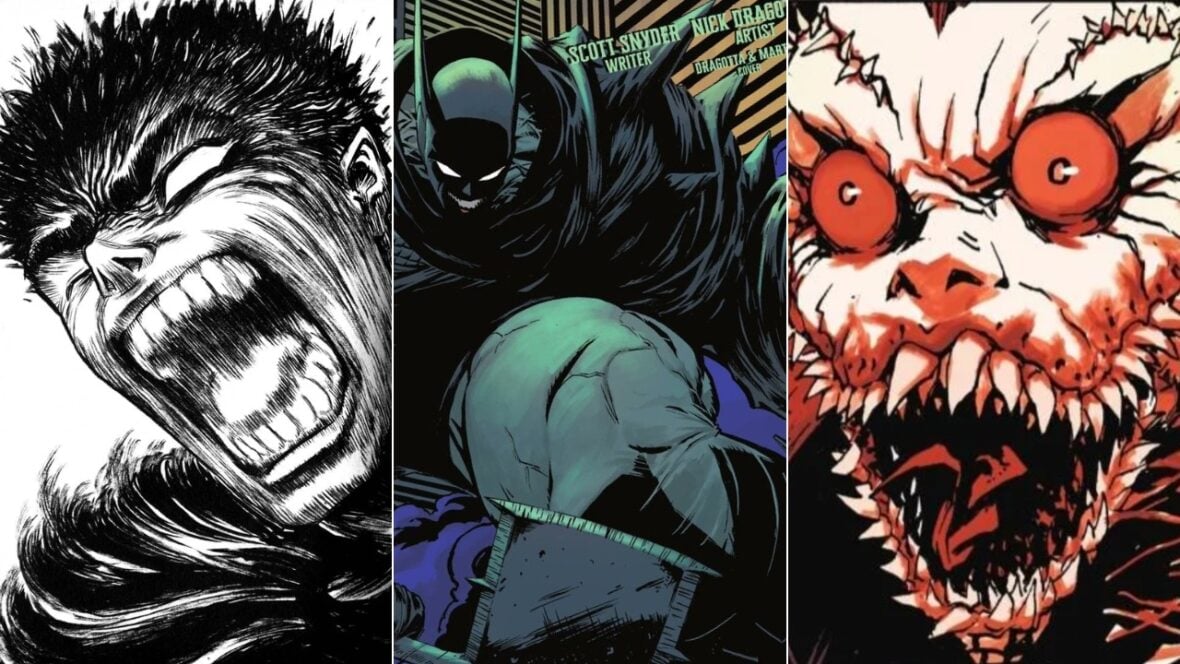
As most of you regular readers know by now, I’m pretty obsessed with DC‘s record-breaking Absolute Batman. Not because it’s Batman. Not because it’s selling a ridiculous number of copies. Not because every issue seems to create another key appearance or first cameo for collectors to chase. I’m obsessed with it because after more than eighty years of Batman stories, writer Scott Snyder and artist Nick Dragotta somehow found a way to make the character feel new again.
The easiest explanation is Bruce Wayne himself. For decades, Batman has largely been defined by wealth. He was the billionaire who used unlimited resources to wage war on crime, and while that fantasy worked when I was younger, it feels increasingly disconnected from the world we live in now. The idea of a billionaire using his power and influence for good sounds nice, but it’s also become much harder to relate to. This version of Bruce Wayne changes that. He’s blue collar. He’s working class. He isn’t standing above Gotham looking down at its problems. He’s living inside them. He’s a product of the same broken system that created Gotham’s corruption, and he’s fighting back against it.
That’s the hook. That’s the thing that gets readers through the door.
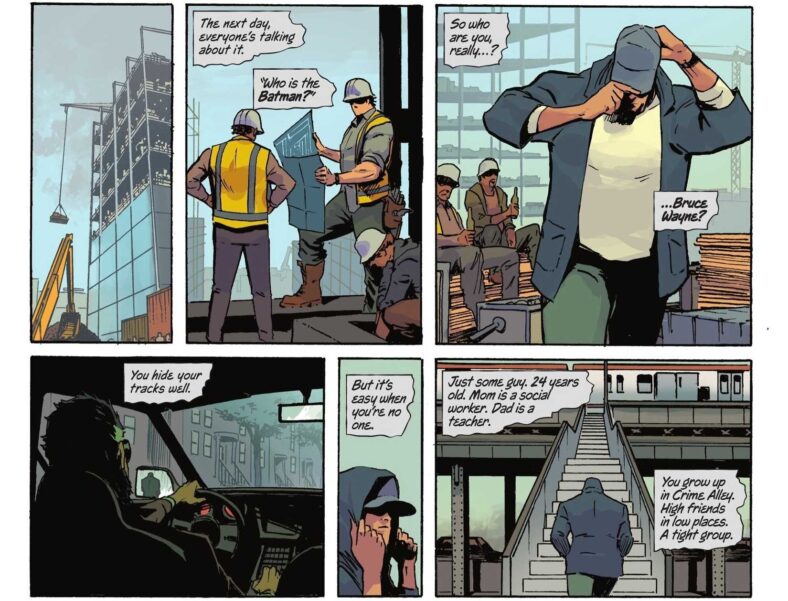
But the more I’ve thought about Absolute Batman, the more I’ve realized Bruce Wayne is only the entry point. He’s what initially grabs you, but he’s not why you keep coming back month after month. The real magic is the world that Snyder and Dragotta are building around him, and it’s unlike anything I’ve seen in mainstream superhero comics in a very long time.
A lot has been made about the manga influences on Absolute Batman, and both creators have openly discussed everything from Akira to Fist of the North Star to Ninja Scroll. But if there is one influence that feels embedded into the DNA of this book, it’s Berserk. Not because Batman is suddenly Guts, and not because Gotham has become some dark fantasy landscape. It’s because of how the story is being told.
On the surface, there are obvious similarities. You have a hulking protagonist facing increasingly impossible threats. You have powerful figures operating in the shadows. Every time you think you’ve found the monster behind everything, another monster appears standing behind that one. Every new villain somehow feels larger, stranger, and more dangerous than the last, and you’re constantly asking yourself how Batman is possibly going to survive what comes next.
The deeper similarity, though, is structural. The best manga isn’t concerned with maintaining a status quo. It’s concerned with momentum. Every chapter matters. Every revelation permanently changes the landscape. Every new piece of mythology builds on the last one. That’s what Absolute Batman feels like. It isn’t maintaining eighty years of Batman history. It’s building its own mythology from the ground up. Every issue feels like another brick being added to something much larger, and after 21 issues, you can finally step back and see the shape of what they’re constructing.
What’s fascinating is that the book accomplishes all of this while moving at a pace that should be impossible to sustain. Every month, I finish an issue and wonder how they’re going to keep this up. It feels like they’re burning through ideas that most comic creators would stretch across years of storytelling.
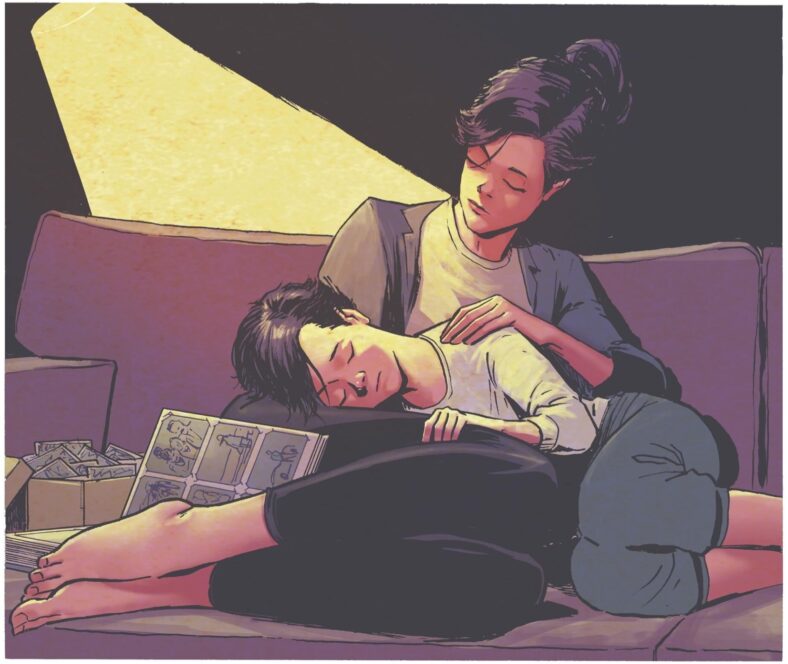
The book never sits in one place too long. It’ll give you Batman smashing someone’s face through a wall and then immediately cut to Bruce lying in his mother’s arms. It’ll introduce a major villain, answer a question that’s been hanging over the series for months, tease three new mysteries, and somehow still find time for character development. The story is constantly shifting between action, horror, mythology, mystery, and emotional drama without ever feeling bloated or unfocused.
Interestingly, Dragotta is fully aware of how aggressively the book moves. Speaking recently with Direct Edition, he explained that one of the biggest lessons he’s learned from Scott Snyder is the importance of character history and emotional context.
“If you’ve ever read the stuff I’ve written, I don’t look back. I just go forward,” Dragotta said. “So, like, that’s one thing I’ve really learned from Scott, is like, how you can get readers to care even more when you bring in their backstory.”
That balance may be the secret ingredient behind Absolute Batman. As Dragotta explained, “The book will move sometimes at breakneck speed, because we got so much we want to get down on the page. We only have so many pages.”
What’s remarkable is that the speed never comes at the expense of character. The same issue can swing from “really bombastic, gross, or insane action,” as Dragotta describes it, directly into deeply personal moments that remind readers why they care about these characters in the first place.
In fact, Dragotta specifically points to those quieter moments as being equally important to the series’ success. While discussing scenes involving Bruce and his mother, he explained how the goal is to create emotional recognition in the reader. “Little Bruce cuddling up to his mom and having a reader goes, yeah, that’s how I used to cuddle with my mom.”
That’s the part I think most people miss when they talk about Absolute Batman.
People focus on the oversized Batman. They focus on the action. They focus on the redesigns and the shocking reveals. What makes the book special is that it never loses sight of the people underneath all of it. For every giant action sequence, there’s a character moment. For every revelation about Gotham, there’s a revelation about Bruce. The spectacle gets readers talking, but the emotional core is what keeps them invested.
The closest comparison I can make isn’t another comic. It’s prestige television. Absolute Batman doesn’t feel like a monthly comic book. It feels like a serialized series that expects you to keep up. It expects you to remember details from ten issues ago. It expects you to connect the dots. It expects you to pay attention. Most importantly, it respects the reader enough not to explain everything twice.
Maybe the best way I can explain why this series has connected with me so deeply is by admitting something that sounds ridiculous.
Every month, I’m scared to read it.
Not because I think it’s going to be bad. Because I’m waiting for comics to do what comics have always done to me.
At some point, the magic usually disappears. A creator loses focus. The mythology becomes bloated. Editorial gets involved. The story starts spinning its wheels. I’ve watched it happen for most of my life. So every month when a new issue of Absolute Batman arrives, I find myself staring at it for hours before opening it.
Issue #21 came out this week, and I didn’t read it until late that night. I just couldn’t bring myself to do it. The higher this book climbs, the harder the fall becomes. I eventually sat down with a white Monster, opened the issue, and dove in. By the time I reached the final page, I was doing what I always do with this series. I was sitting there staring at the wall, letting it all sink in and wondering how the hell they’re still pulling this off.
If there is an issue that perfectly explains why Absolute Batman works, it might be Issue #21. Not because it’s packed with first appearances or key moments that collectors are going to obsess over. It’s because the issue demonstrates everything that makes the series special. Nearly every major moment is built on something that came before it. Nearly every revelation feels earned. The book continues to reward readers for paying attention.
Spoilers ahead.
One of the biggest developments in the issue revolves around Bruce’s growing realization that his father’s death may not have been random at all. The implication that Scarecrow was involved changes everything, but what impressed me wasn’t the twist itself. It was the realization that evidence of this has been sitting in the series from the very beginning. This wasn’t a surprise invented halfway through the run. It feels planned. It feels intentional. It feels like another example of Snyder and Dragotta trusting that readers are paying attention.
Then comes the skyscraper scene.
Bruce is standing on the ledge of a skyscraper (that he’s building as part of his day job) when his boss arrives with a group of investors. Another figure steps onto the ledge beside him.
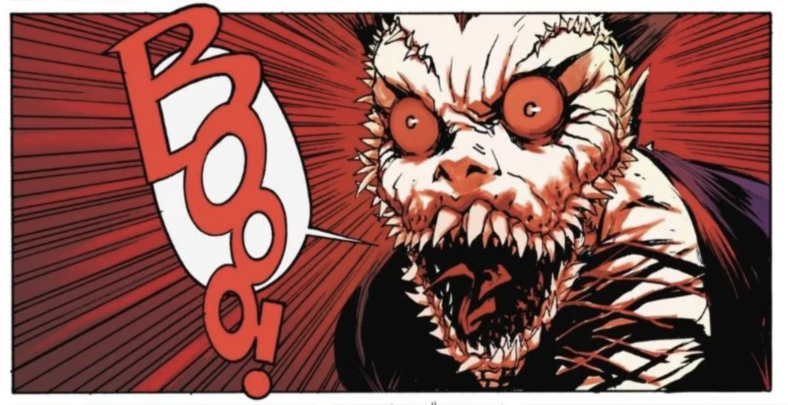
It’s Joker.
And for a moment, everything stops.
Not just the story. Everything.
The issue stops. The room stops. The entire universe seems to stop.
Because this isn’t just a character reveal. This is the moment where the mythology expands again. This version of Joker isn’t simply another criminal. He’s a billionaire. A manipulator. A puppet master. A man who increasingly appears to be sitting above Gotham itself, quietly pulling strings from the shadows.
Then comes the bombshell.
He tells Bruce that he made him.
That Scarecrow killing his father wasn’t random.
That Batman isn’t some outside force pushing back against Gotham’s corruption.
He’s a product of it.
He’s another piece on the board.
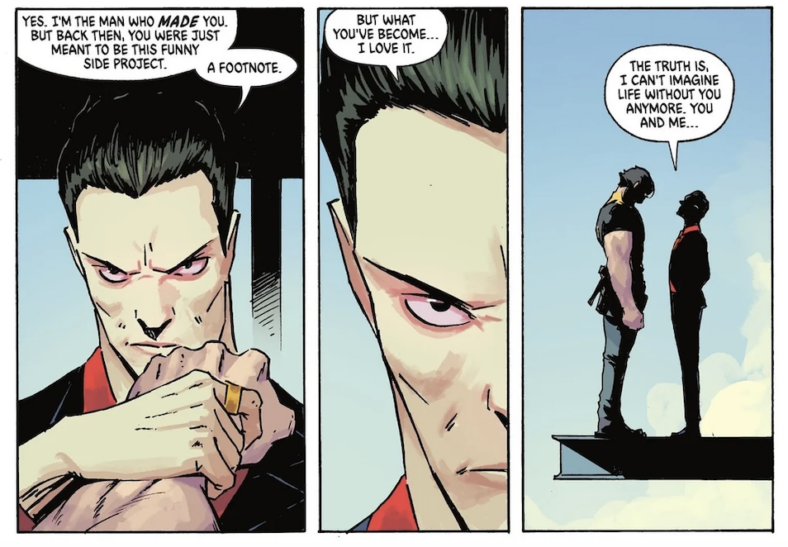
What makes the scene work isn’t the shock value. It’s the relationship being established between the two of them. The suggestion that they need each other. That neither can fully exist without the other. It’s one of the oldest themes in Batman mythology, yet somehow this version feels fresh. More importantly, it feels earned because the series has spent 21 issues laying track for moments exactly like this.
And somehow that still isn’t everything the issue has to offer. We get major movement involving Penguin, Harvey Dent, and Killer Croc. We get more mythology. More answers. More questions. Then, just when you think the issue has finally exhausted itself, it casually teases Clayface and walks away.
That’s what Absolute Batman continues to do better than almost any comic I’ve ever read.
It’s not starting new stories.
It’s building on existing ones.
Every issue answers questions while creating new ones. Every issue makes Gotham feel larger than it did before. Every issue leaves me wondering what Joker is doing when he’s off the page. What’s happening with Harvey. What’s happening with Gordon. What’s happening with Bruce’s friends. What’s happening elsewhere in Gotham while Batman is focused on something entirely different.
The city feels alive in a way that most comic book worlds don’t. The closest comparison I can make is an open-world video game. Things feel like they’re happening whether you’re there to witness them or not. Most comics feel like the world only exists when you’re looking directly at it. Absolute Batman feels like Gotham keeps moving after you close the book.
That trust extends beyond the page, too. One of the most revealing parts of Dragotta’s interview had nothing to do with Batman at all. It had to do with his creative partnership with Snyder.
Their philosophy is visible in every issue of Absolute Batman. The book never feels constrained by what Batman comics are supposed to be. It feels like two creators constantly challenging each other to go bigger, stranger, more emotional, and more ambitious.
As Dragotta puts it, “He gives me a lot of trust. It never feels like a job. I’m drawing our comic.”
Maybe that’s the real secret. It’s not the action. It’s not the twists. It’s not the redesigns. It’s not even Batman himself. It’s trust. Trust between creators. Trust between creators and publisher. Trust built from decades of experience, successes, failures, lessons learned, and understanding what works and what doesn’t.
Most importantly, it’s trust that has been earned from readers.
For the first time in a very long time, I trust a comic book.
I trust Scott Snyder and Nick Dragotta to keep building. I trust them not to waste my time. I trust them not to hit the reset button. I trust them because 21 issues in, they’ve earned it.
And somehow, against all odds, they’re still getting better.

No comments:
Post a Comment